Learning a new language often feels like a task for people with spare time and endless patience. But that’s not how most of us live. If you’ve ever wished language apps were more playful, faster, and a little less serious, Vocly might be what you’ve been missing.
This app turns vocabulary building into a game—no textbooks or long lectures. You practice using short activities that feel more like puzzles than drills. And while it keeps things light, it still helps you make steady progress wherever and whenever you want.
What Is Vocly and How Does It Work?
Vocly is a mobile app that focuses on helping users build vocabulary in over 50 different languages. Instead of long lessons, it delivers quick, engaging games that teach and reinforce common words and phrases. Each language is broken into themed sections—such as shopping, travel, numbers, food, and basic conversation—so you can jump into topics that interest you right away.
The app uses spaced repetition, a method that makes sure you review harder words more often. If you keep getting a word wrong, it comes up again until it sticks. If you’ve already learned it, it fades into the background. This keeps the learning personal and efficient. You won’t waste time reviewing what you already know.
Lessons are short and manageable. Each session covers 10 to 15 words, and the activities are simple—match the word with the translation, pick the correct audio, or build short phrases using drag-and-drop blocks. Every tap reinforces memory. You get feedback right away, so there's no guesswork or waiting to find out if you were right.
What’s useful is that you don’t need to follow a rigid order. You can pick any topic, skip around, go back, or repeat any section. The structure is flexible, which makes it easier to stay interested and motivated.
How Learning Through Games Actually Works?
Game-based learning works because it keeps people involved. When you're having fun, you're more likely to come back. That consistency matters more than anything else in language learning. Instead of grinding through flashcards, you're solving mini-challenges that reward focus and memory.
Vocly taps into this idea well. It creates repetition without boredom. The exercises are short, the interface is clean, and you’re always working toward a clear outcome—whether it's completing a level, reaching a daily goal, or improving your recall rate.
This format supports casual learning. You can open the app during a break, on the train, or while waiting for an appointment. Since sessions are brief, you never need to clear a big block of time. And because the app adjusts difficulty based on your answers, it meets you where you are—no pressure, just progress.
It also helps that you see measurable results. Progress is shown through word mastery percentages and completion markers. This feedback loop keeps the learning from feeling vague. You always know what you’ve covered and where you’re improving.
Even if you're just spending five to ten minutes a day, those small, steady gains add up. By tying each session to a mini goal, the app keeps you on track without turning into a chore.
A Closer Look at Features That Make Vocly Stand Out
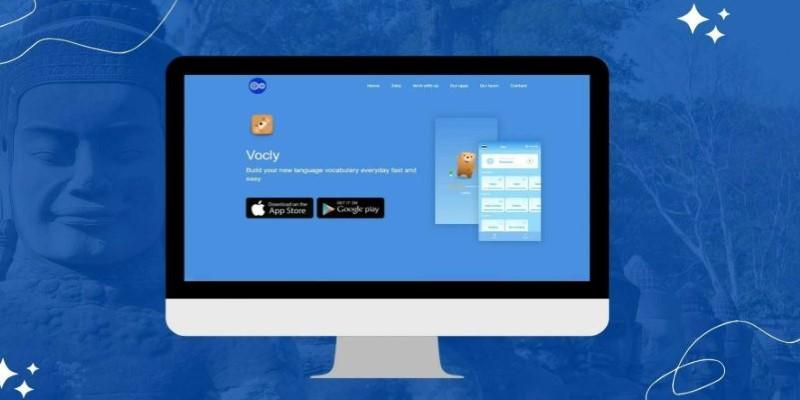
Vocly focuses on clarity and simplicity. You don’t need a tutorial to get started. Open the app, pick a language, choose a category, and begin. This no-frills design makes it easy for anyone to start using it right away.
One smart choice is the use of native speaker recordings. These audio clips help you learn proper pronunciation from the beginning. You’re not just reading the word—you’re hearing how it sounds naturally. That’s important, especially in languages where tone and accent matter.
Offline access is another bonus. You can download the lessons and use them without a connection. That's handy for travel, or when you're in a place with a weak signal. It means your learning doesn't stop just because your Wi-Fi does.
The speed of the app is another plus. There’s no loading delay, no ads popping up between lessons, and no clutter. You’re in and out in minutes. Whether you’re reviewing past words or learning something new, the experience is smooth.
Though its primary focus is vocabulary, some categories introduce short phrases that show how words fit into context. You start seeing how common sentence patterns work, without getting buried in grammar rules.
Spaced repetition does most of the heavy lifting in the background. The app quietly tracks what you’re good at and what you’re not. That makes every review session more useful and less repetitive. You’re not just going through every word again—you’re targeting the ones that need work.
Who This App Is For—and Who Might Need More?
Vocly is perfect for people who want to build a strong base in a new language through consistent, low-pressure practice. Beginners will appreciate the clear structure and easy pacing. If you’re starting fresh, you’ll quickly pick up useful words for travel, work, or daily conversation.
It’s also good for people revisiting a language they once learned. If you studied French in school or dabbled in Japanese a year ago, this app helps refresh what you knew without having to relearn everything from scratch.
But if you're trying to get fluent, especially in writing or complex conversation, you’ll probably need to combine Vocly with other resources. It doesn't cover detailed grammar or long-form speaking. What it does best is vocabulary acquisition—and it keeps that experience smooth and easy to stick with.
It’s also a great fit for anyone who’s short on time. If you’ve struggled to stay with a traditional course or app, Vocly’s short sessions and fast feedback make it easier to stay on track without making big time sacrifices.
Conclusion
Vocly makes language learning simple and flexible. It avoids rigid lessons and long study times, letting you learn at your own pace through quick, game-like sessions. Focusing on short bursts of vocabulary practice helps you build a steady habit without stress. Whether you're starting fresh or revisiting a language, Vocly fits easily into your routine and makes learning a new language feel less like work and more like play.